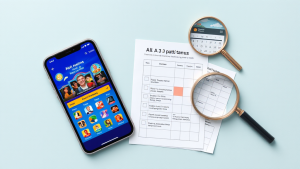
Streamlining Your Workplace: The Ultimate Guide to Leave Management
Learn more about leave management and how it applies to your specific needs.
Effective is a cornerstone of a productive and harmonious workplace. It ensures that employees can take the time they need for rest, personal matters, or health issues, while also guaranteeing that business operations continue smoothly. Without a structured approach, leave can become a source of confusion, resentment, and administrative chaos. This comprehensive guide will delve into every aspect of managing employee time off, from policy creation to software solutions, helping you build a system that works for everyone.
Why Leave Management Matters More Than Ever
In today’s dynamic work environment, the way an organization handles time off can significantly impact its culture and bottom line. A well-implemented leave policy boosts employee morale, reduces burnout, and enhances retention. Conversely, a poorly managed system leads to scheduling conflicts, payroll errors, and even legal compliance issues. Modern is not just about tracking days; it’s about strategic workforce planning. When employees feel their time off is respected and easy to request, they return more focused and loyal. Moreover, transparent processes build trust between staff and management, which is invaluable for any organization.
Types of Leave and Their Importance
Leave comes in many forms, each serving a distinct purpose. Understanding these categories is essential for drafting a comprehensive policy that meets both legal requirements and employee needs.
Annual Leave and Vacation
This is the most common type of leave, granting employees paid time off to rest and recharge. The amount typically varies based on tenure and company policy, but it’s crucial for preventing burnout and maintaining long-term productivity.
Sick Leave
Sick leave allows employees to recover from illness or attend medical appointments without losing pay. It also protects the workplace from the spread of contagious diseases. A generous sick leave policy can reduce presenteeism, where employees come to work unwell and are less productive.
Parental and Family Leave
Parental leave covers maternity, paternity, and adoption leave, providing new parents the time to bond with their child. Family leave may also extend to caring for a sick relative. Offering robust family leave is a strong signal that a company values work-life balance.
Personal and Unpaid Leave
Sometimes employees need time off for personal errands, bereavement, or other unforeseen circumstances. While not always paid, having a clear process for requesting such leave helps maintain fairness and transparency.
Key Challenges in Manual Leave Tracking
Many organizations still rely on spreadsheets, emails, or paper forms to manage leave. While these methods can work for very small teams, they quickly become problematic as the company grows. Common challenges include:
- Errors and Discrepancies: Manual data entry is prone to mistakes, leading to incorrect balances and payroll errors.
- Lack of Visibility: Managers may not have a real-time view of who is available, making scheduling difficult.
- Communication Gaps: Requests can get lost in email threads, and approvals may be delayed, frustrating employees.
- Compliance Risks: Keeping track of different leave laws and regulations manually is a daunting task, increasing the risk of non-compliance.
- Time Consumption: HR teams spend hours on administrative tasks that could be automated, drawing time away from more strategic initiatives.
These issues underscore the need for a more efficient and reliable system. Fortunately, modern technology offers a solution.
Benefits of Implementing a Digital Leave Management System
Transitioning from manual to digital is a game-changer for many businesses. A dedicated software solution automates the entire process, from request submission to balance tracking, offering numerous advantages:
- Enhanced Accuracy: Automated calculations ensure that leave balances are always correct, eliminating human error.
- Greater Transparency: Employees can see their remaining days and the status of their requests in real time, fostering trust.
- Improved Efficiency: Managers can approve or deny requests with a single click, and HR can generate reports instantly.
- Policy Enforcement: Software can be configured to automatically apply your specific leave policies, such as accrual rates and carry-over limits, ensuring consistency.
- Better Planning: With a clear overview of who is off, managers can plan projects and staffing more effectively.
- Legal Compliance: Many systems are updated to reflect current labor laws, helping you stay compliant with minimal effort.
By leveraging technology, you not only save time but also create a more positive experience for your employees.
Best Practices for a Smooth Leave Management Process
Implementing a robust system is only part of the equation. To truly optimize your leave management, consider these best practices:
Develop a Clear and Comprehensive Policy
Your leave policy should be documented and easily accessible. It must outline eligibility, accrual rates, request procedures, and any restrictions (e.g., blackout periods for peak seasons). Ensure it complies with local, state, and federal laws. A well-communicated policy prevents misunderstandings and disputes.
Empower Employees with Self-Service
A key feature of any good leave management system is employee self-service. This allows staff to submit requests, check balances, and view their leave history without involving HR for every query. This not only reduces the administrative burden but also gives employees a sense of control and autonomy.
Establish Approval Workflows
Define clear approval hierarchies so that requests are routed to the right person automatically. This ensures that nothing is overlooked and that managers have the authority to approve time off based on team capacity. Automated notifications keep everyone informed of the request status.
Monitor and Manage Absences Proactively
Use the data from your leave management system to identify patterns, such as frequent sick leave or excessive overtime. This can help you address potential issues early, such as employee burnout or disengagement. Regular reporting also aids in forecasting staffing needs.
Integrate with Payroll
One of the biggest time-savers is integrating your leave management system with your payroll software. This ensures that leave balances are accurately reflected in paychecks, and it eliminates the need for manual data transfer, which is often a source of errors.
Choosing the Right Leave Management Software
When selecting a tool for your organization, it’s important to consider your specific needs. Look for software that is user-friendly, scalable, and offers the features that matter most to you. Key features to consider include:
- Customizable leave types: The ability to set up different categories (annual, sick, personal, etc.) with specific rules.
- Accrual tracking: Automatically calculating balances based on your policies.
- Calendar integration: Syncing with Outlook or Google Calendar to see who is off.
- Mobile accessibility: Employees and managers should be able to access the system from anywhere.
- Reporting and analytics: To gain insights into leave usage and trends.
There are many options available, from free tools to enterprise-level platforms. For those just starting out, a free software can be an excellent way to streamline processes without a significant investment. As your company grows, you can always scale up to a more comprehensive solution.
FAQs
What is the difference between paid and unpaid leave?
Paid leave means the employee receives their regular pay during their time off, such as vacation or sick days. Unpaid leave, like some personal or family leave, does not include pay but guarantees the employee’s job protection. The specific types of paid and unpaid leave are often defined by company policy and legal regulations.
How can I ensure my leave policy is compliant with labor laws?
To stay compliant, you must be aware of the federal, state, and local laws that apply to your business. This includes laws like the Family and Medical Leave Act (FMLA) in the U.S., as well as any state-specific paid sick leave mandates. Consulting with an employment lawyer or using a leave management system that is regularly updated with legal changes can help you stay on track.
Can leave management software handle different types of leave for different employee groups?
Yes, most robust leave management systems allow you to create custom leave policies for different departments, locations, or employment types (e.g., full-time vs. part-time). This ensures that each employee sees the correct leave balances and rules based on their specific situation.
What are the common mistakes to avoid when implementing a leave management system?
Common mistakes include not communicating the new system effectively to employees, setting up incorrect accrual rules, failing to integrate with payroll, and not providing adequate training. It’s crucial to plan the rollout carefully and gather feedback to ensure smooth adoption.
Conclusion
Effective leave management is not just an administrative task; it is a strategic function that impacts employee satisfaction, operational efficiency, and legal compliance. By moving away from manual processes and embracing a digital solution, you can streamline workflows, reduce errors, and create a more transparent and trusting workplace. Whether you choose a free tool or a full-featured platform, the key is to implement a system that meets your organization’s unique needs. Start by evaluating your current process, define your goals, and explore the many solutions available. With the right approach, you can turn leave management from a headache into a seamless part of your business operations, benefiting both your employees and your bottom line.
Readers who are interested in this topic will benefit from exploring multiple perspectives and understanding the nuanced approaches that industry leaders recommend. Taking time to research thoroughly ensures better outcomes and more informed decision-making.
Those looking to gain deeper knowledge in this area should consider following expert analysis, staying updated with the latest developments, and engaging with professional communities where these topics are discussed in detail.
A comprehensive understanding of this subject requires looking at both theoretical foundations and practical applications. By combining study with hands-on experience, learners can develop a well-rounded perspective that serves them well in real-world scenarios.
As the landscape continues to shift and evolve, staying informed about emerging trends and best practices becomes increasingly valuable. This ensures you remain competitive and capable of adapting to new challenges as they arise.