Same-Day, Scheduled or Self-Collect: Matching the Model to the Moment
The right way to get vape supplies in Singapore depends far more on the shape of your week than on which option sounds fastest on paper. Someone who works from home and runs out of pods on a Tuesday afternoon has a very different problem from someone who plans their purchases once a month and simply wants the parcel to land when they are actually home. That is why Sg vape shop delivery is not a single service so much as a set of models, each suited to a different moment. Same-day courier, scheduled delivery and self-collection all solve real problems, and none of them is universally better than the others.
This comparison treats all three as equals and runs them through the same criteria: lead time, predictability, cost efficiency, discretion and how much control you keep over the handover. By the end, the goal is not to crown a winner but to show how an adult buyer can combine the three across a normal month so that the method matches the moment.
How the Three Models Actually Work in Practice
Same-day courier is the model most people picture when they think about modern vape retail in Singapore. You place an order in the morning or early afternoon, the shop pulls from local stock rather than a regional warehouse, and a rider brings the parcel to your address within the same working day. The appeal is obvious: it collapses the gap between deciding you need something and having it in hand. The trade-off is that same-day windows are usually broader than people expect. A rider cannot promise an exact minute, because traffic, building access and the sequence of other drops all shape the route.
Scheduled delivery works differently. Instead of racing the clock, you pick a slot, often the next day or a specific evening window, and the order is queued for that period. This model rewards planning. If you know you will be home on Thursday between seven and nine, a scheduled drop removes the anxiety of watching for a rider who might arrive while you are in the shower or on a call.
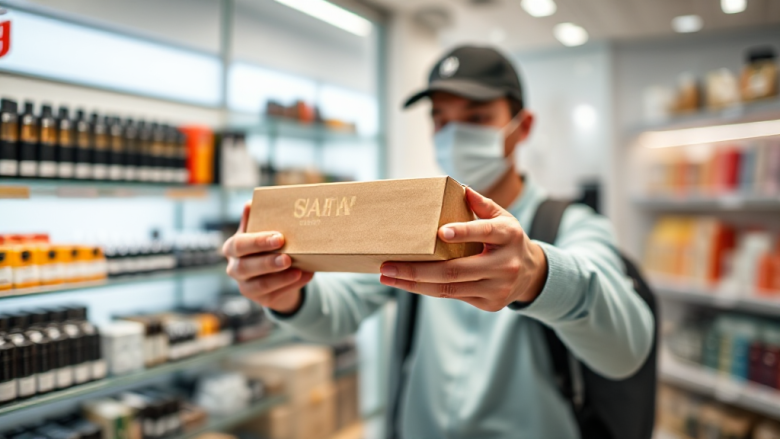
Self-collection is the oldest model and still the most underrated. You order ahead, the shop confirms the item is reserved, and you pick it up at a stated location during opening hours. There is no delivery fee, no waiting at the window, and no dependency on someone else’s route. What you trade is your own time and travel, which is a genuine cost in a city where a short distance can still mean a long journey.
Each of these sits under the broader umbrella of Singapore vape delivery, and each has a legitimate place in a regular buyer’s routine.
Lead Time and Predictability, Compared Side by Side
Lead time is where same-day courier clearly leads. If the need is urgent, nothing else competes. But lead time and predictability are not the same thing, and conflating them is the most common mistake buyers make. Same-day means soon, not exact. Predictability means you know when, even if when is later.
Scheduled delivery wins on predictability. A two-hour evening window is far easier to plan around than a vague same-day promise, especially if you live in a building with a concierge, a lift lobby that riders struggle to navigate, or a unit where the doorbell is easy to miss. If your week is structured, scheduled delivery fits it neatly.
Self-collection is the most predictable of all, because you control the timing entirely. The only variable is the shop’s opening hours and your willingness to travel. For buyers who pass a collection point on their commute, this is often the lowest-friction option of the three, even though it looks the slowest on a comparison table.
A useful way to think about it: same-day optimises for speed, scheduled optimises for certainty, and self-collection optimises for control. Most weeks, you only need one of those three things to be true.
Cost, Discretion and Handover Control Across All Three
Cost efficiency tends to favour self-collection, since delivery fees disappear and there is no minimum order pressure to justify a rider. Scheduled delivery usually sits in the middle, sometimes with a lower fee than same-day because the route can be batched. Same-day courier carries the highest premium, which is fair given the operational effort involved, but it is a premium worth paying only when the timing genuinely matters.
Discretion is a shared strength rather than a differentiator. Reputable shops pack orders in plain, unbranded outer packaging regardless of the model chosen, so the parcel does not advertise its contents to neighbours, building staff or anyone else who handles it. The difference is in the handover. A scheduled slot or a self-collection lets you choose exactly who receives the item and when. Same-day delivery sometimes means handing over to whoever is available, which is fine for most people but worth noting if privacy at the door matters to you.
Handover control also affects convenience in a subtle way. With self-collection, the transaction ends the moment you walk out with the bag. With delivery, the transaction ends when the rider marks it complete, and any access issue becomes a small negotiation at your gate or lobby. Buyers who dislike that uncertainty often drift toward scheduled or self-collection over time, even if they started with same-day. Singapore lana vape
Shops that run all three models well tend to be the ones with genuinely local stock, because local inventory is what makes same-day and scheduled delivery credible in the first place. That is the operational backbone behind Vape delivery sg, and it is why the three models can coexist rather than compete.
Matching Each Model to Real Situations
Same-day courier is the right call when the need is immediate and the address is easy to reach. Running out mid-week, a device that has stopped charging, a pod that tastes burnt on the morning you have a long day ahead: these are same-day moments. The value is in not having to reorganise your day around a purchase.
Scheduled delivery suits the buyer who plans. If you already know your consumption pattern, ordering on a Sunday for a Tuesday evening slot turns vape buying into a background task rather than a disruption. It also suits households where someone is only home at certain hours, or buildings where access is easier in the evening than during the day.
Self-collection fits the buyer who is already moving through the city. If a collection point sits near your office, gym or usual route home, the trip costs you almost nothing and you keep full control of timing. It is also the natural choice for larger orders, where you would rather carry the parcel yourself than coordinate a delivery window.
None of these situations is rare. Most regular buyers encounter all three within a single month, which is exactly why treating them as competing options misses the point.
Why Local Stock Makes Every Model Work Better
All three delivery models depend on the same foundation: the product has to be physically nearby. When stock is held locally, same-day becomes possible, scheduled slots become reliable, and self-collection becomes instant rather than a reservation waiting on an incoming shipment. When stock is not local, every model degrades at once, because the bottleneck moves upstream.
This is why buyers increasingly check stock availability before choosing a delivery method, rather than the other way around. A shop with ready local inventory can offer a genuine same-day window, hold a specific device for pickup, and confirm a scheduled slot without hedging. A shop without it can only promise, and promises are what make delivery frustrating.
Local stock also matters for product consistency. Buyers who return to the same device or pod line want to know that the next order matches the last one, not that they are receiving a different batch from a different region. That consistency is a supply-chain property, not a delivery property, but it shapes how much you trust any of the three models.
For buyers who order recurring items, this is the practical argument for choosing a shop with real local presence over one that simply forwards orders. The delivery model you pick matters, but the inventory behind it matters more. Buyers comparing options often start with lana vape sg precisely because local stock is the first thing they want confirmed.
Combining the Three Models Across a Normal Month
The most practical approach is not to commit to one model but to assign each one a role. Use same-day courier for genuine emergencies, the moments when waiting a day would disrupt your routine. Use scheduled delivery for planned replenishment, so the parcel arrives in a window you chose rather than one you have to watch. Use self-collection for larger orders or for weeks when you are already out and about, so the trip folds into travel you were doing anyway.
This combination keeps costs sensible while preserving speed where it counts. It also reduces the small stresses that make delivery feel unreliable: no more waiting by the door for a rider with a vague ETA, no more paying a premium for speed you did not actually need, no more last-minute trips because you forgot to plan.
It helps to think in terms of a simple rule. If the need is urgent, choose speed. If the need is known in advance, choose certainty. If you are already moving, choose control. Applying that rule consistently turns vape buying into something closer to grocery shopping than a gamble on timing.
Buyers who settle into this rhythm tend to describe their supplier in terms of reliability rather than speed, which is the more durable quality. A shop that can serve all three models well, backed by local inventory and discreet packaging, gives you the freedom to pick the method that fits the day instead of forcing your day to fit the method. That flexibility is the real benefit of comparing the options properly, and it is what makes Lana vape same day delivery useful as one tool among three rather than the only tool in the box.
Start by noticing which moments in your month actually cause friction: the unplanned shortages, the missed delivery windows, the trips you make purely to buy supplies. Then assign each of those moments to the model that removes the friction. Same-day, scheduled and self-collection are not rivals. They are three answers to three different questions, and the buyer who knows which question they are asking gets the most out of all of them.